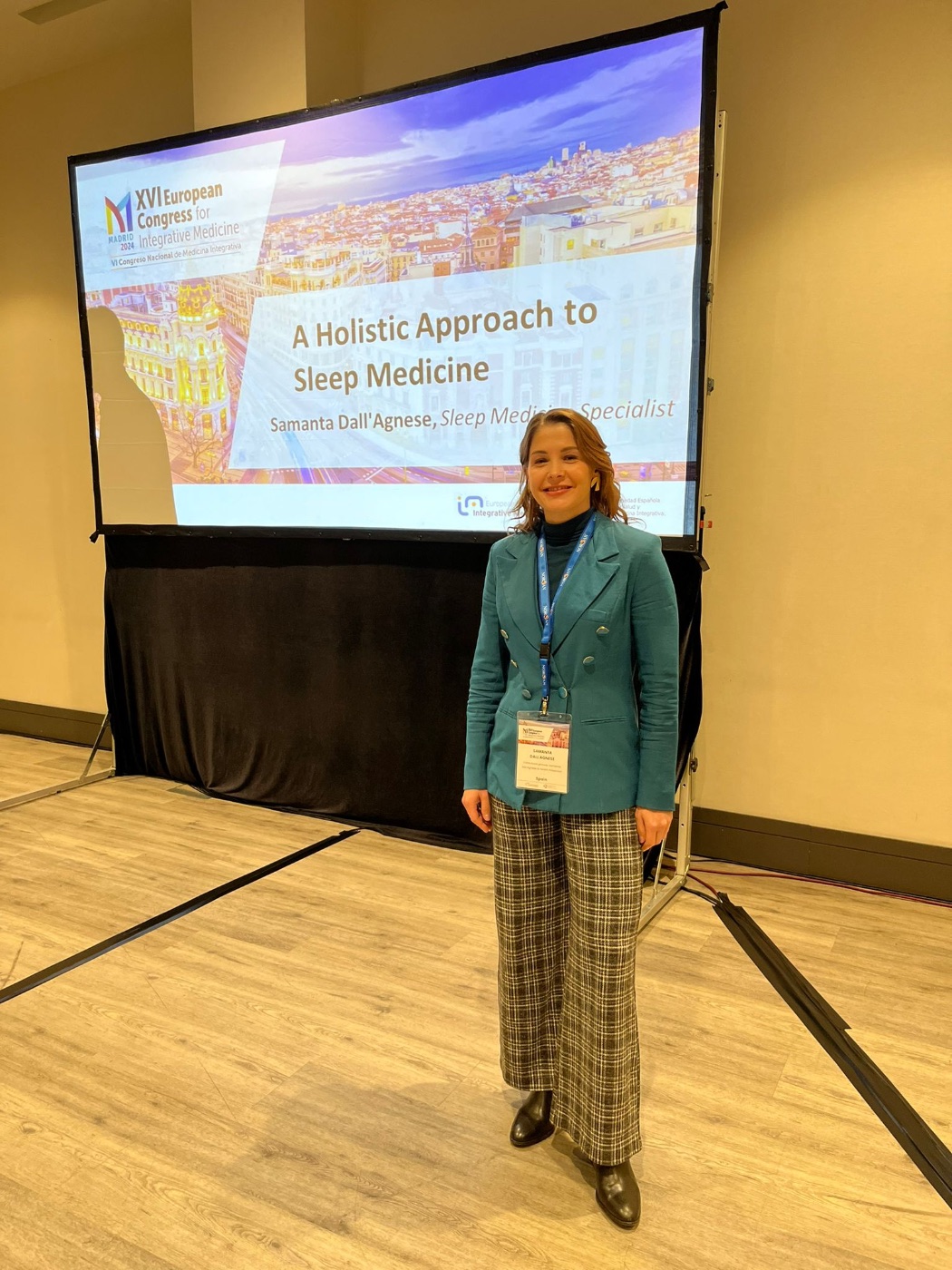
Tired teams decide worse, react more slowly and fall ill more often. The good news: sleep is trainable. I bring into the company a clear, science-based conversation that helps people sleep better and recognise when the problem calls for medical care.
Judgement, impulse control and risk assessment are the first functions to fail when sleep is short, and a tired person does not notice their own decline. The bill arrives diluted across presenteeism and absenteeism, almost never as a budget line.
Sources: US CDC; RAND Europe, "Why Sleep Matters: The Economic Costs of Insufficient Sleep", 2016; Uehli et al., Sleep Medicine Reviews.
In person or online, in English, Portuguese, Spanish or French. The content is tuned to the audience: leadership, operational teams, or the whole company.
Healthy sleep talk and workshop
An interactive session on the pillars of healthy sleep: what actually builds good nights, how to monitor your own sleep, how to recognise warning signs, and when it is time to see a physician.
A longer engagement, focused on building better habits and detecting early on who is already living with a sleep disorder, before it becomes a bigger problem.
Each topic can become a one-hour talk, a longer workshop, or a module within a programme. The combination is defined together with HR.
How sleep deprivation attacks judgement, impulse control and risk assessment first, and why tired people cannot see their own decline. Aimed at leadership and decision-making roles.
What circadian science makes possible to protect people working outside their biological clock: rosters, light, strategic naps, nutrition and recovery between shifts.
Women sleep differently, fall ill differently, and are diagnosed later. Menopause, insomnia and apnea in women: a topic that tends to mobilise diversity committees and women's networks.
How to recognise sleep apnea in someone who has "always slept like this", what the cardiovascular and metabolic impact is, and the right path to diagnosis and treatment.
Sleep as a long-term health lever: memory, metabolism, immunity, physical recovery, and what the data shows about ageing and dementia.
Sleep is usually the first symptom of an emotional condition. Anxiety, chronic stress and depression almost always show up first as bad nights, and looking after sleep is an early way of looking after the team.
What smartwatches and rings measure well, what they cannot measure, and how to use the data without becoming hostage to it. A popular topic with technology and engineering teams.
A hands-on workshop: light, caffeine, alcohol, screens, training times and a wind-down routine, with simple goals and results noticeable within 30 days.
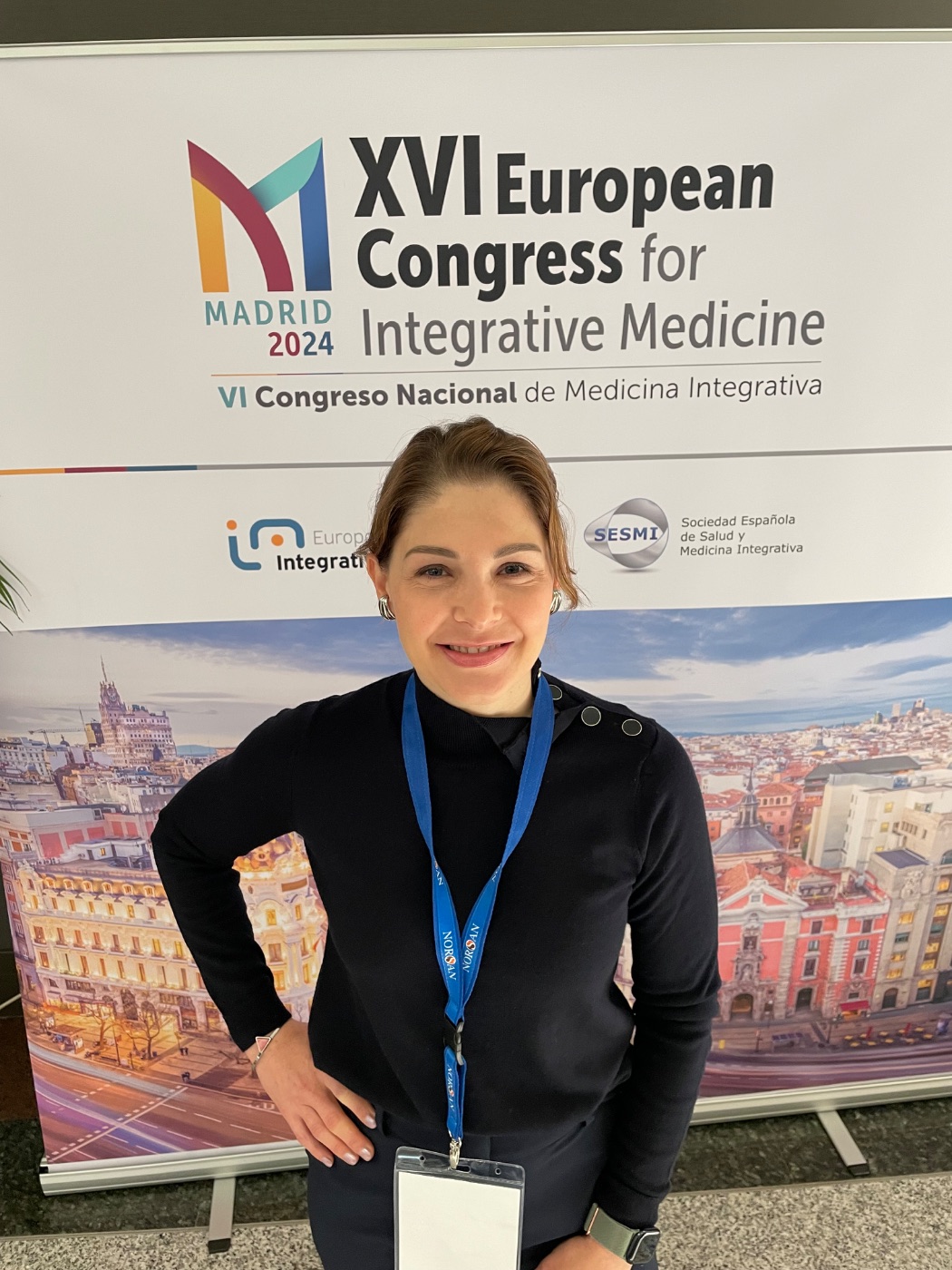
I am an ENT surgeon and sleep medicine specialist, board certified by the World Association of Sleep Medicine and the European Sleep Research Society. Beyond the clinic, I have held executive roles in hospital management, digital health and startups, and I completed the Stanford Ignite programme in innovation and entrepreneurship at Stanford Graduate School of Business in 2017. That is what lets me speak the language of the board, of HR and of the operation in the same room.
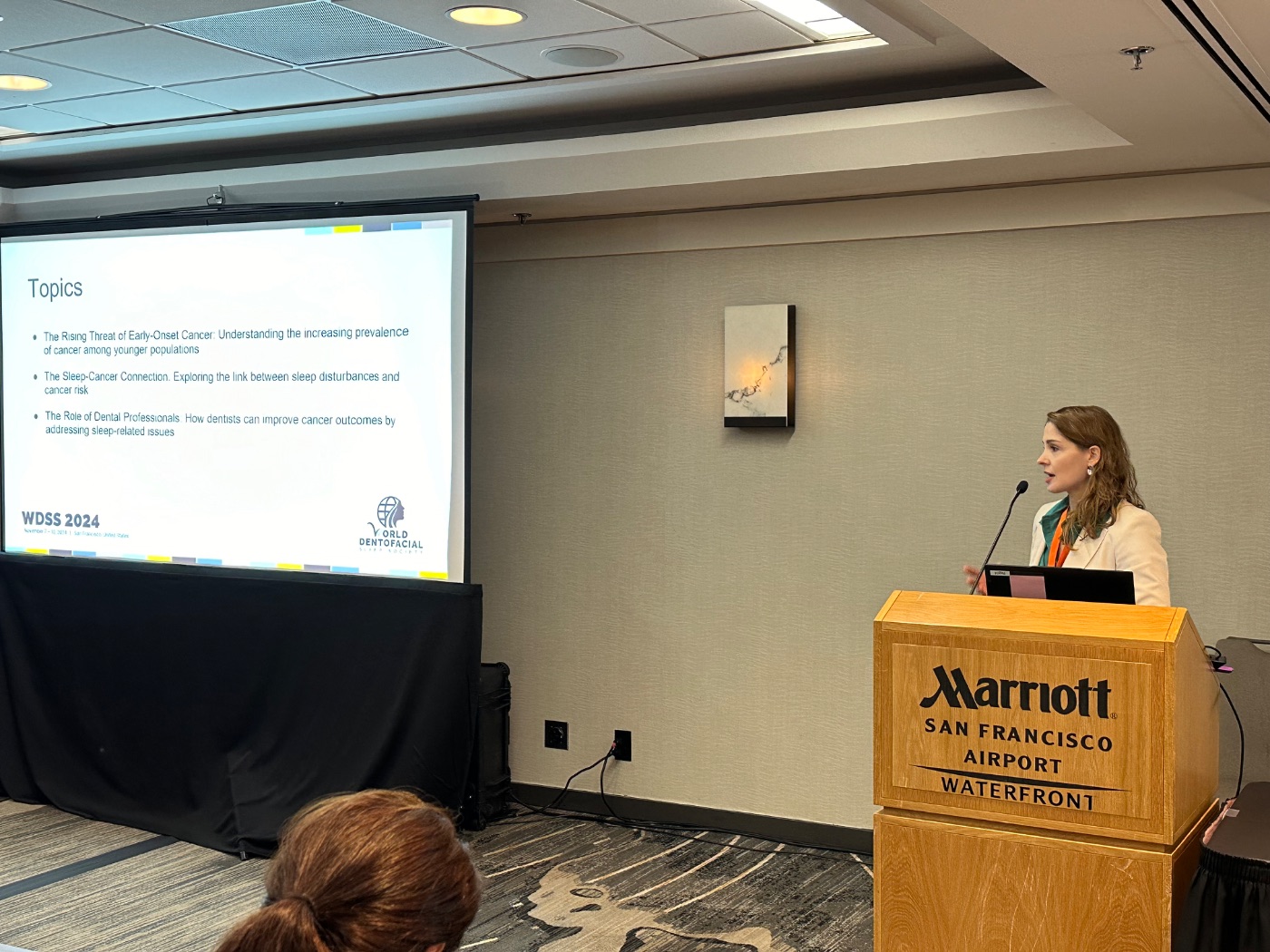
I speak four languages and have delivered talks at international congresses in Europe and the United States. I bring companies the same method I use in the clinic: practical, grounded in science, with no easy promises.
Scientific advisory and clinical strategy in health and sleep products.
Leading clinical teams and value-based healthcare projects.
Executive education in digital health, strategy and artificial intelligence.
International speaking and public health education.
To put together the right format, it helps to know who the audience is, how many people will take part, whether it is in person or online, the expected date and the language. With that, I send a proposal with scope and fees.